


History
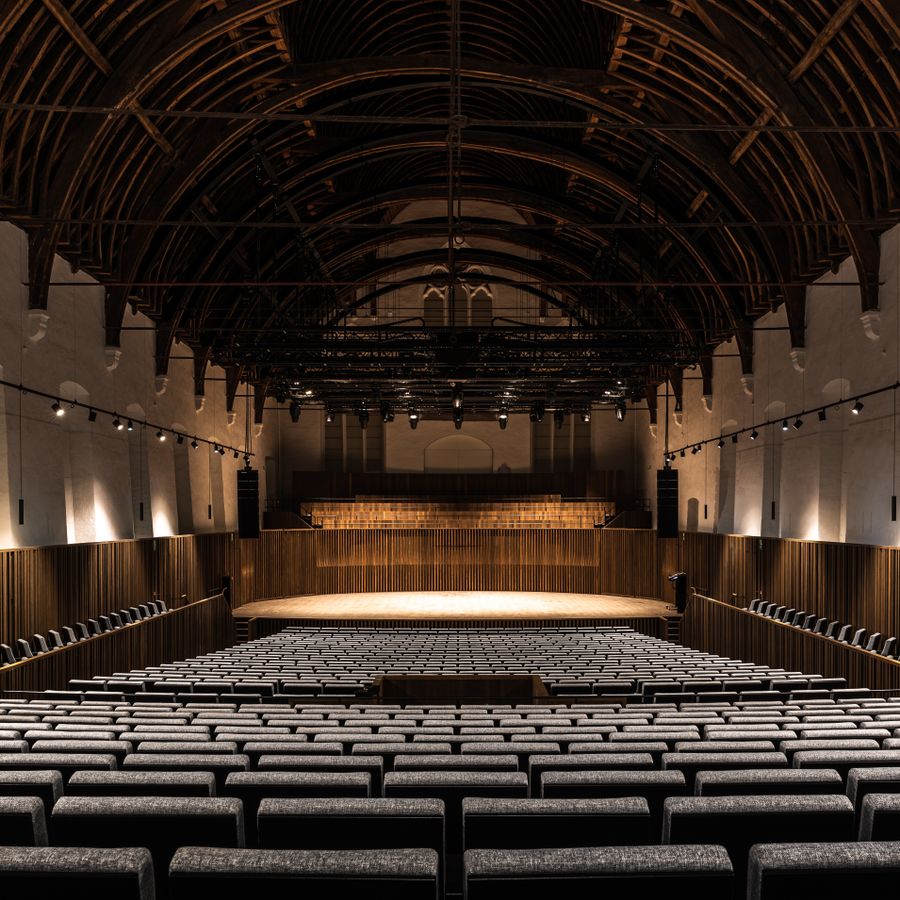
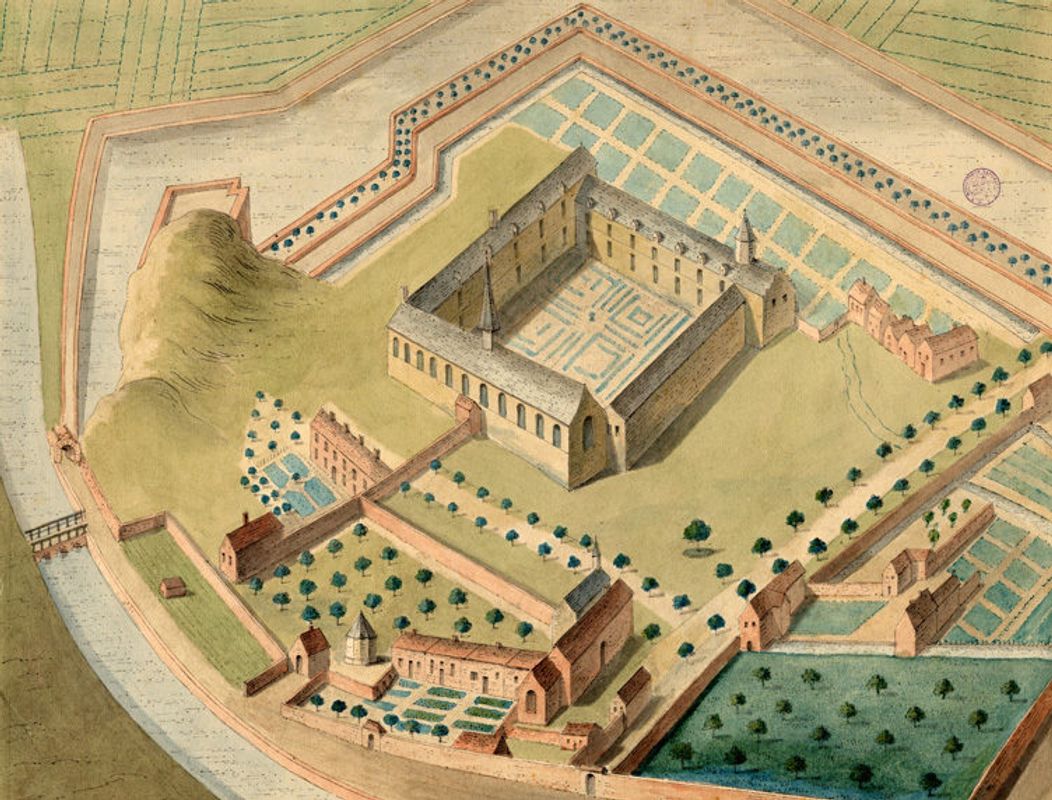
The building complex that houses the Music Center today has a long history. Just under 800 years ago, the development of the Ghent Bijloke site began with the construction of the medieval infirmary, our large concert hall. Today, it is one of the oldest buildings in the world where people can regularly attend concerts or organize events.
1204: Ermentrude Utenhove
In the early 13th century, the noble lady, a member of a patrician family, Ermentrude Utenhove established a 'domus hospitalis' for the poor, sick, and travelers next to the Saint Michael's Church. This quickly became too small, and with the arrival of the Dominican monastery nearby, the relocation of this Mary hospital became necessary. The Count of Flanders, Ferrand, donated a piece of land outside the city for the hospital. The origin of the name Bijloke comes from this enclosed, closed-off, or "beloken" area.
1251
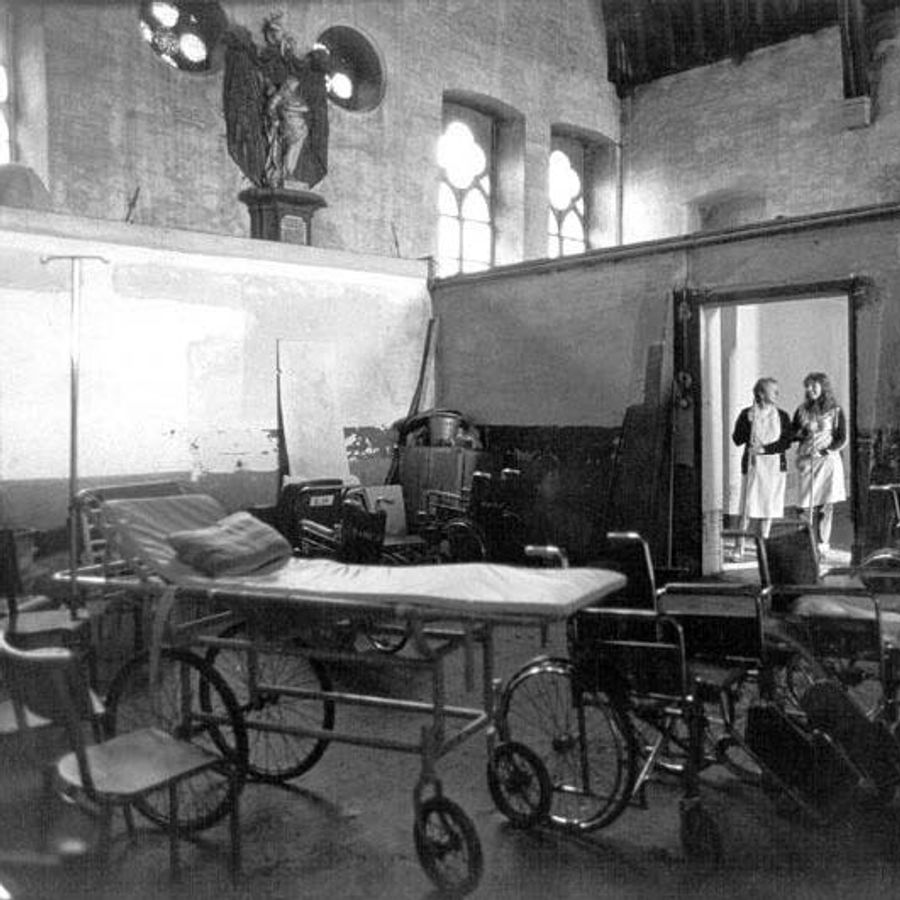
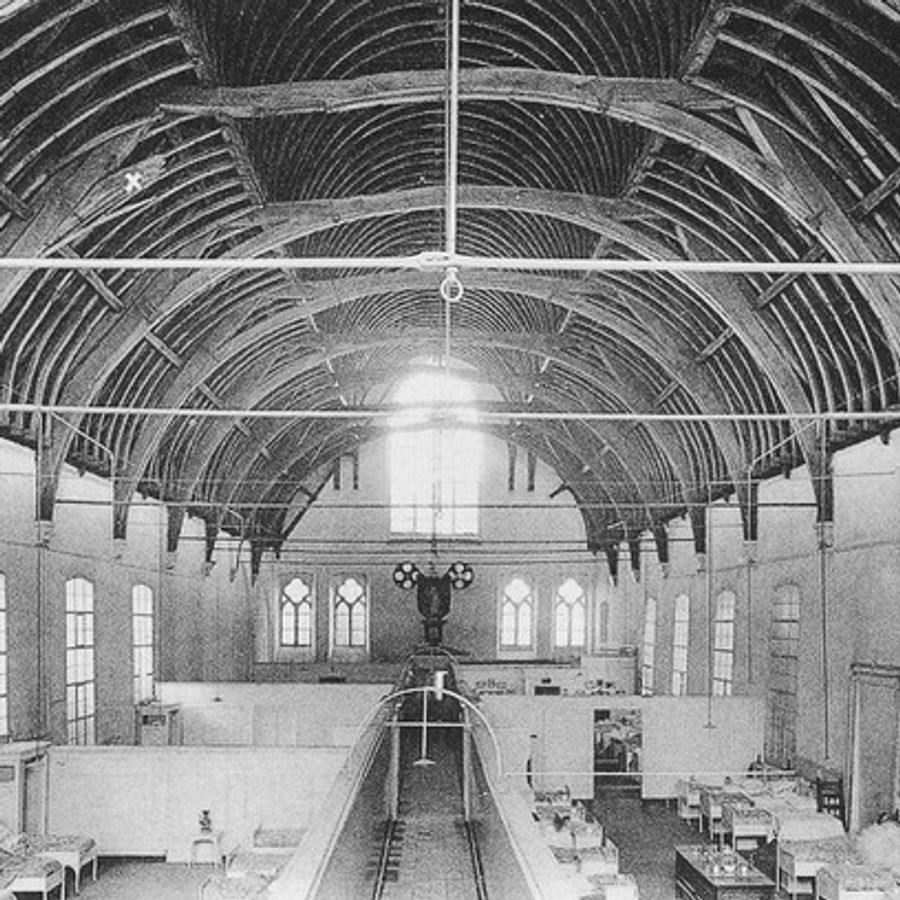
The Mary hospital moves to the Bijlokemeersen. During the same period, a Cistercian convent was also founded at De Bijloke. Not long after, the management of the hospital was in the hands of the sisters. The building we know today as the concert hall was for centuries a hospital ward with 40 to sometimes 500 beds, often with more than one person per bed.
1511: Craekhuys
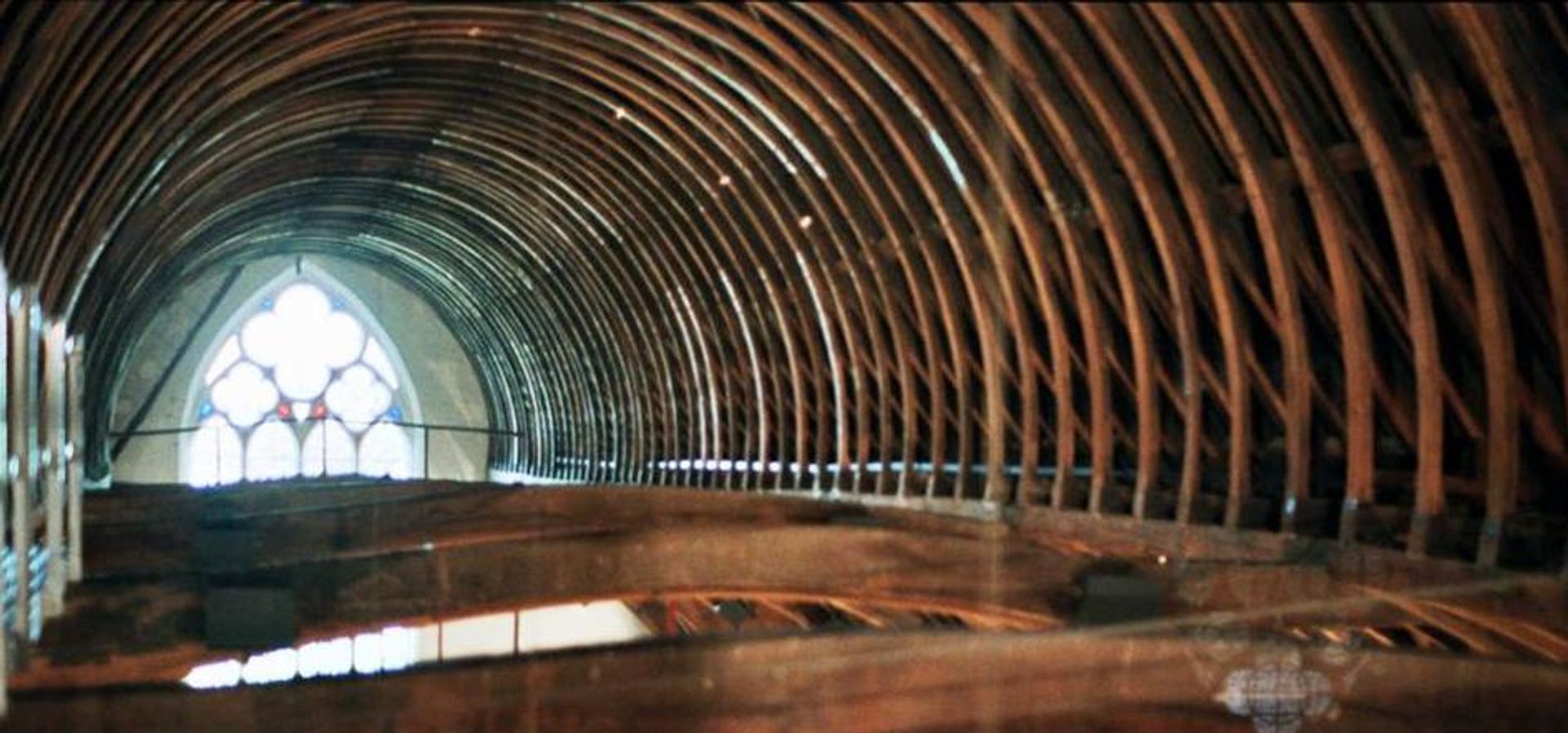
Historians disagree about the Craekhuys, which was built in the early 16th century as a small infirmary, next to the large one from the 13th century. "Craecken" means to be seriously ill or to die, and would refer to a hall where people received their last cares. Others think of the German 'Krankenhaus', seeing it as a separate hall for the wealthier citizens of Ghent.
18th century
After the French Revolution and the law on the abolition of monasteries, the Bijloke becomes a civic hospital. The Cistercians are forced to hand over the administration to the Commission of Civil Charities, but continue to work in the hospital until the 20th century.
19th century
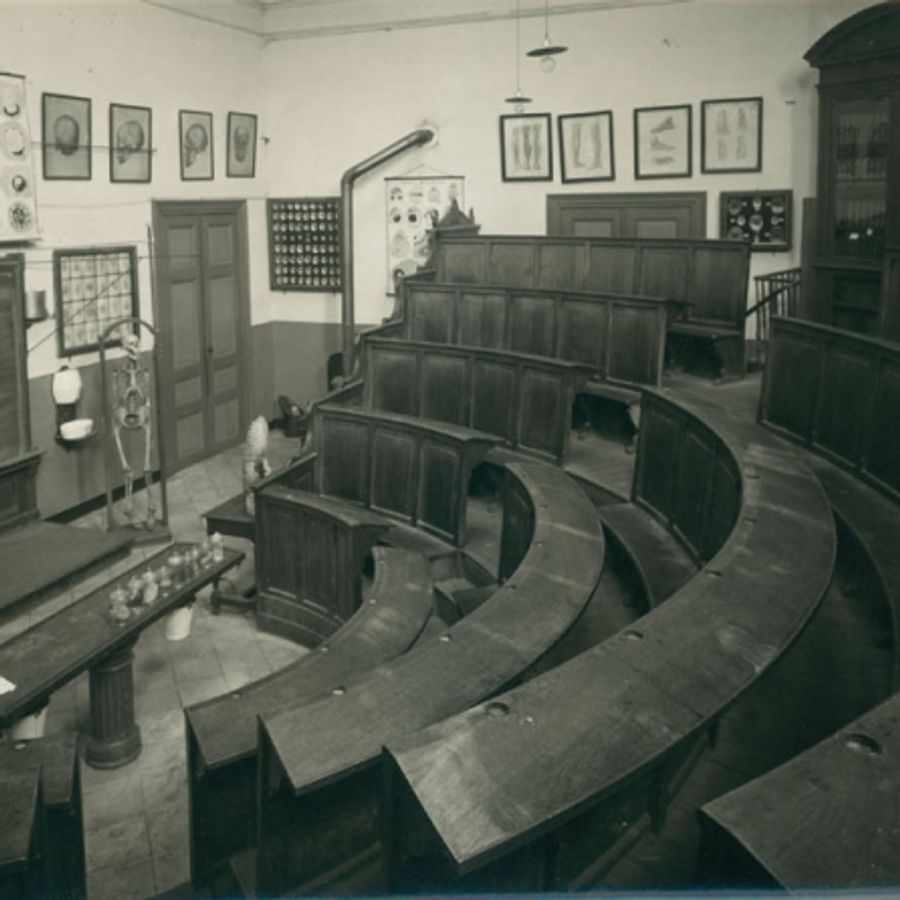
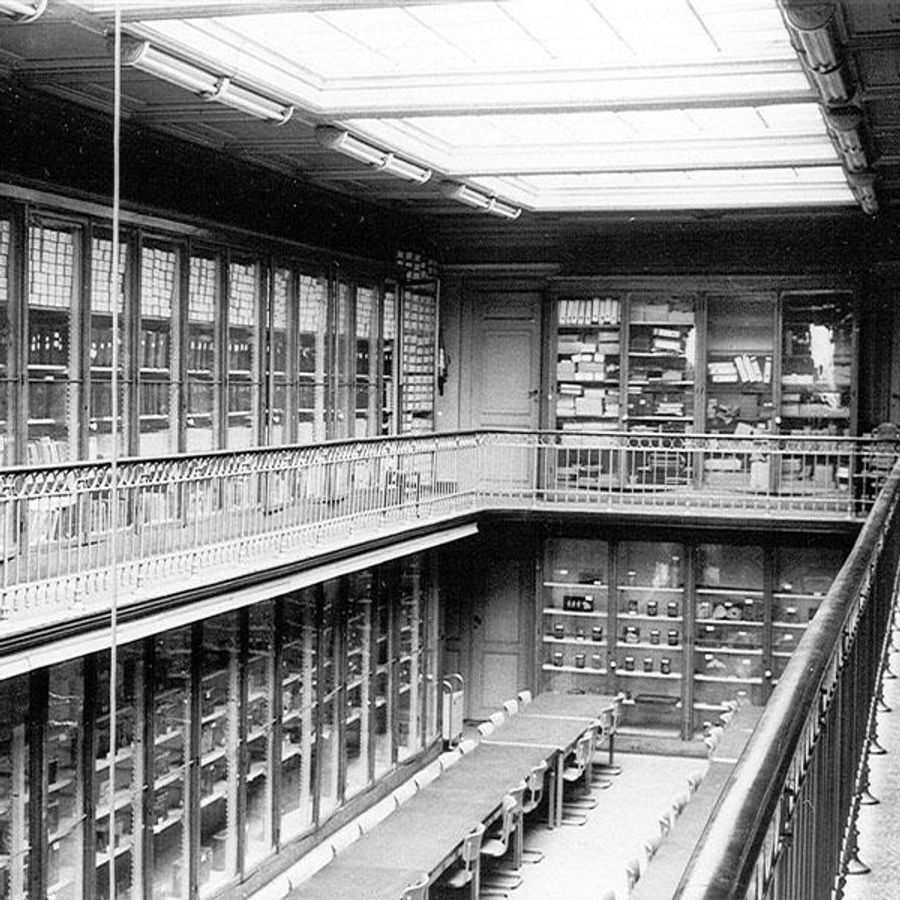
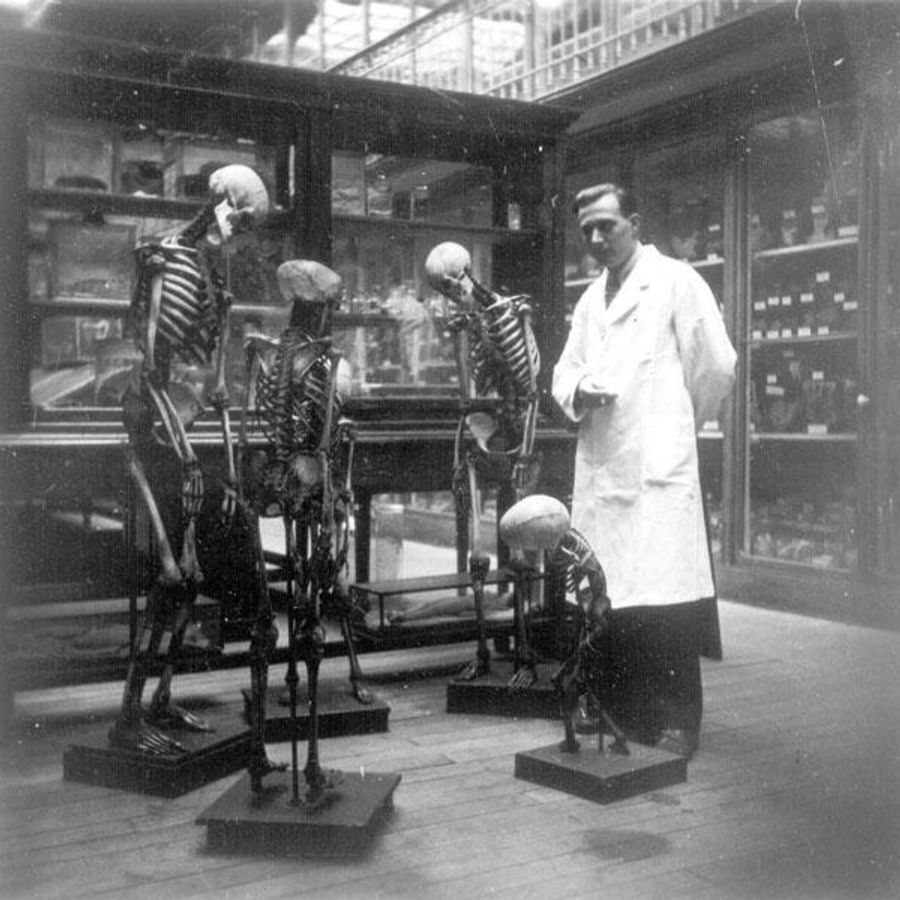
In 1817, the University of Ghent opens. At the end of the 19th century, a new wing rises next to the infirmary, the Anatomical Institute with an amphitheater, surgical room, laboratories, dissection rooms,... Today, this building houses, among other things, the offices of the staff of Music Center De Bijloke.
Jozef Kluyskens, Adolphe Pauli, and a new hospital
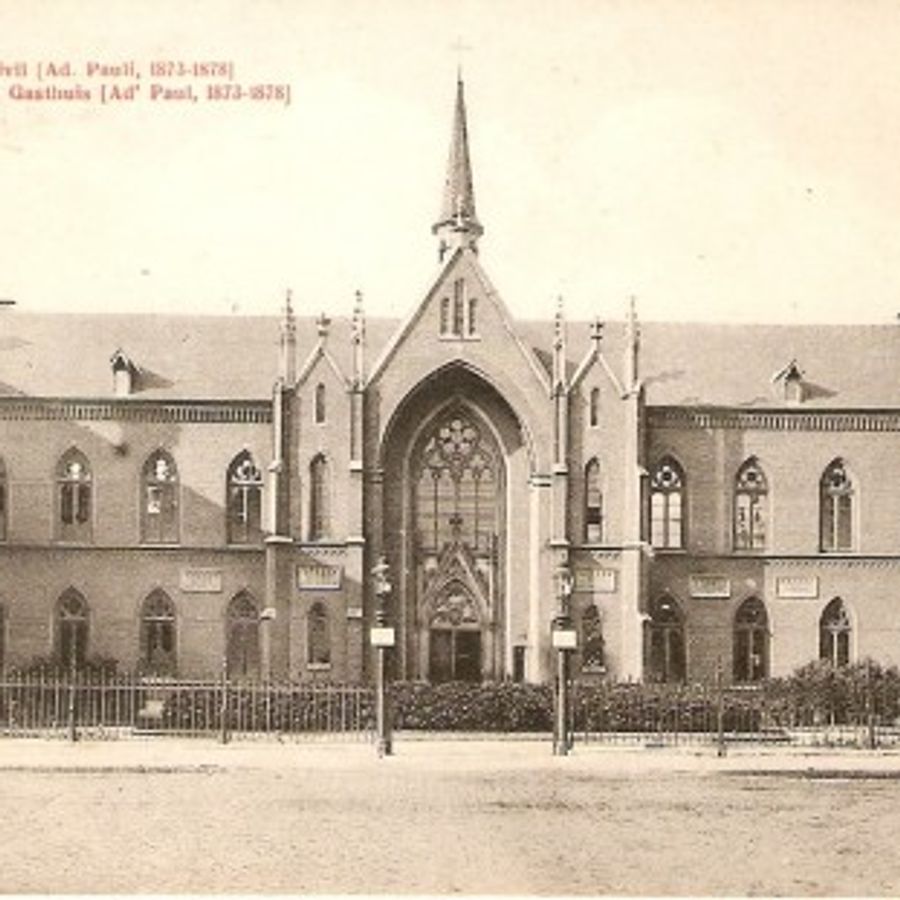
By the mid-19th century, the existing hospital buildings were no longer sufficient. It was Jozef Kluyskens, the first professor of surgery, who, together with surgical professor Adolphe Burggraeve and Jozef Guislain, put their authority on the line for the construction of a new hospital. Between 1864 and 1878, the Bijloke complex was significantly expanded with Adolphe Pauli as the architect.
The old medieval hospital received several new functions. For instance, the old chapel, now a cloakroom for concertgoers, became a morgue with an accompanying dissection room. Additionally, isolation cells were created for patients suffering from smallpox or typhus.
1996 - 1999: Municipal Concert Hall De Bijloke
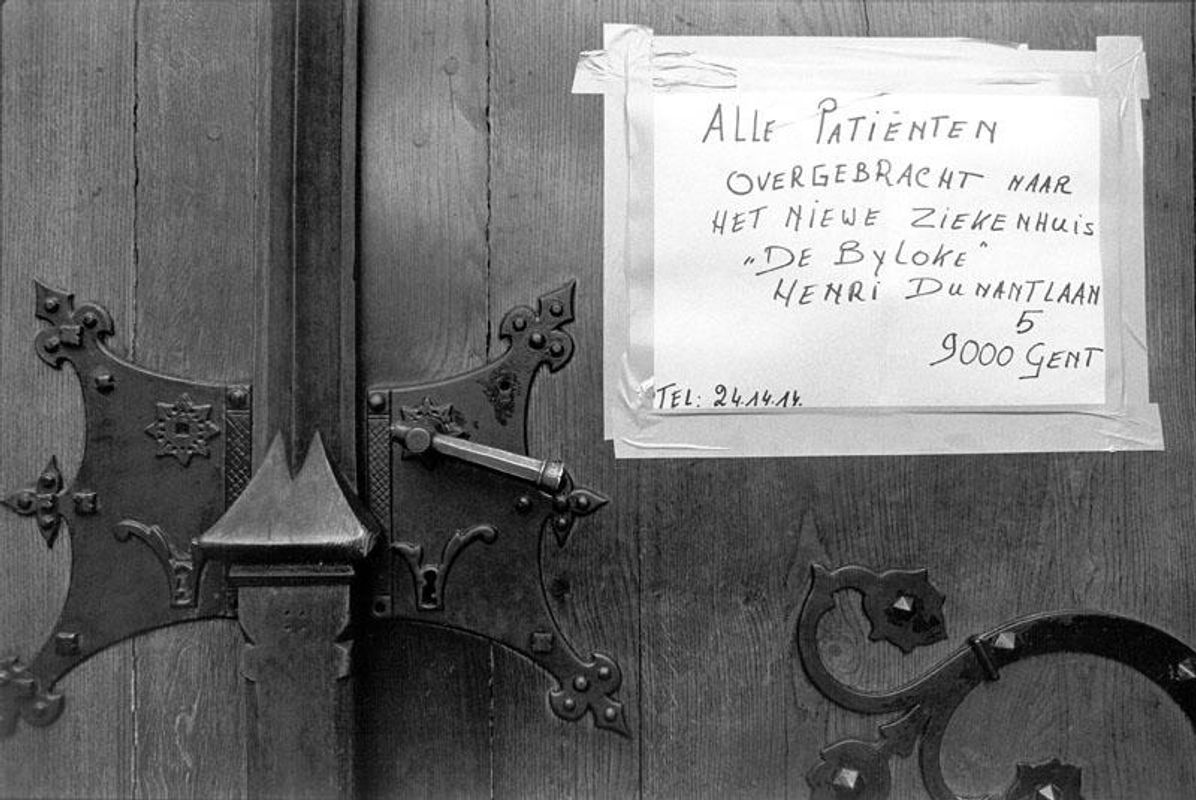
The pigeons are chased away from the unused infirmary to take it into use as a concert hall. In 1999, "Municipal Concert Hall De Bijloke" comes to life.
2008: Music Centre De Bijloke
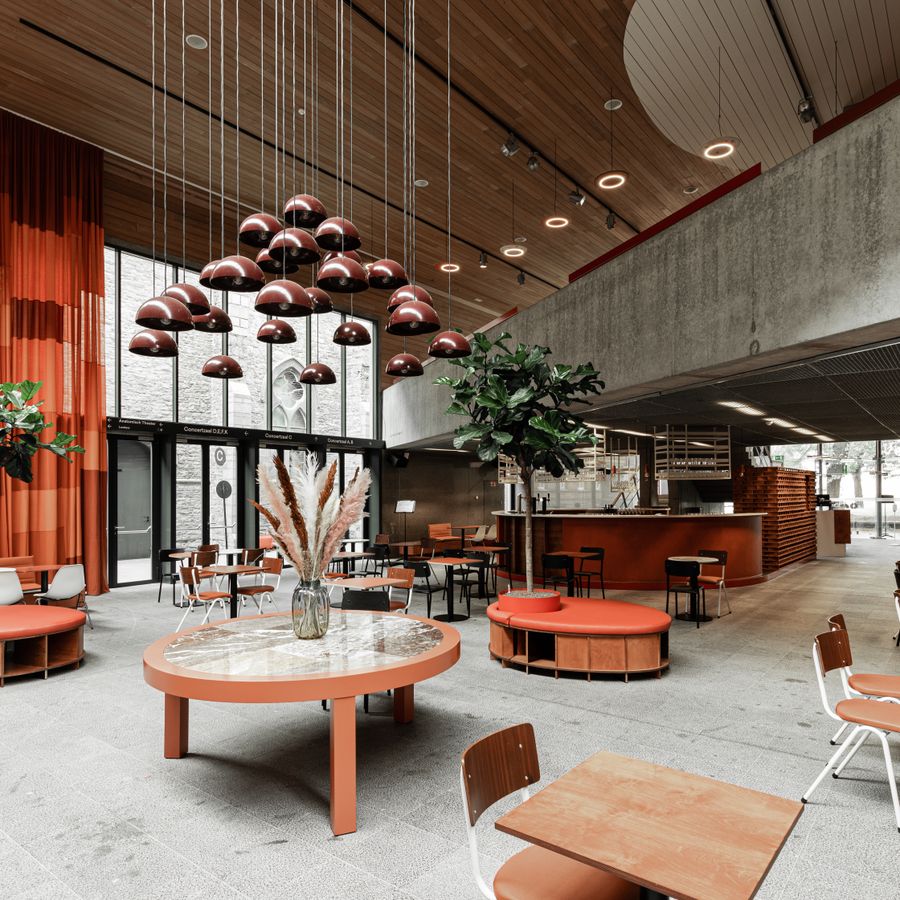
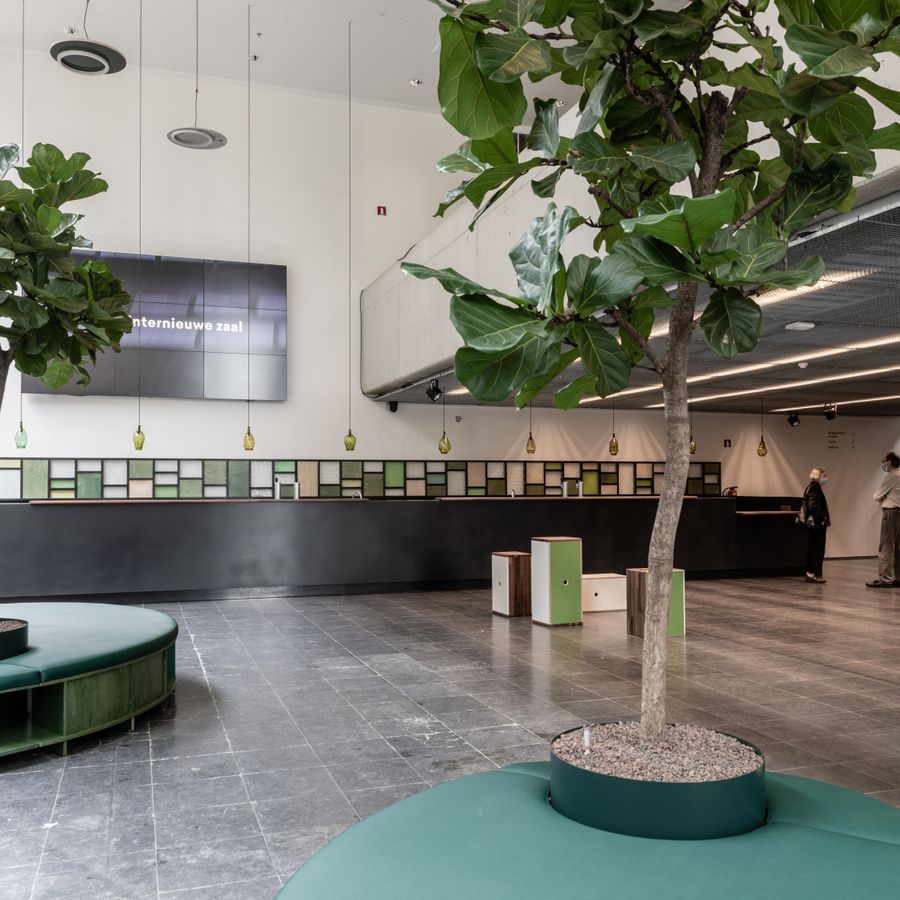
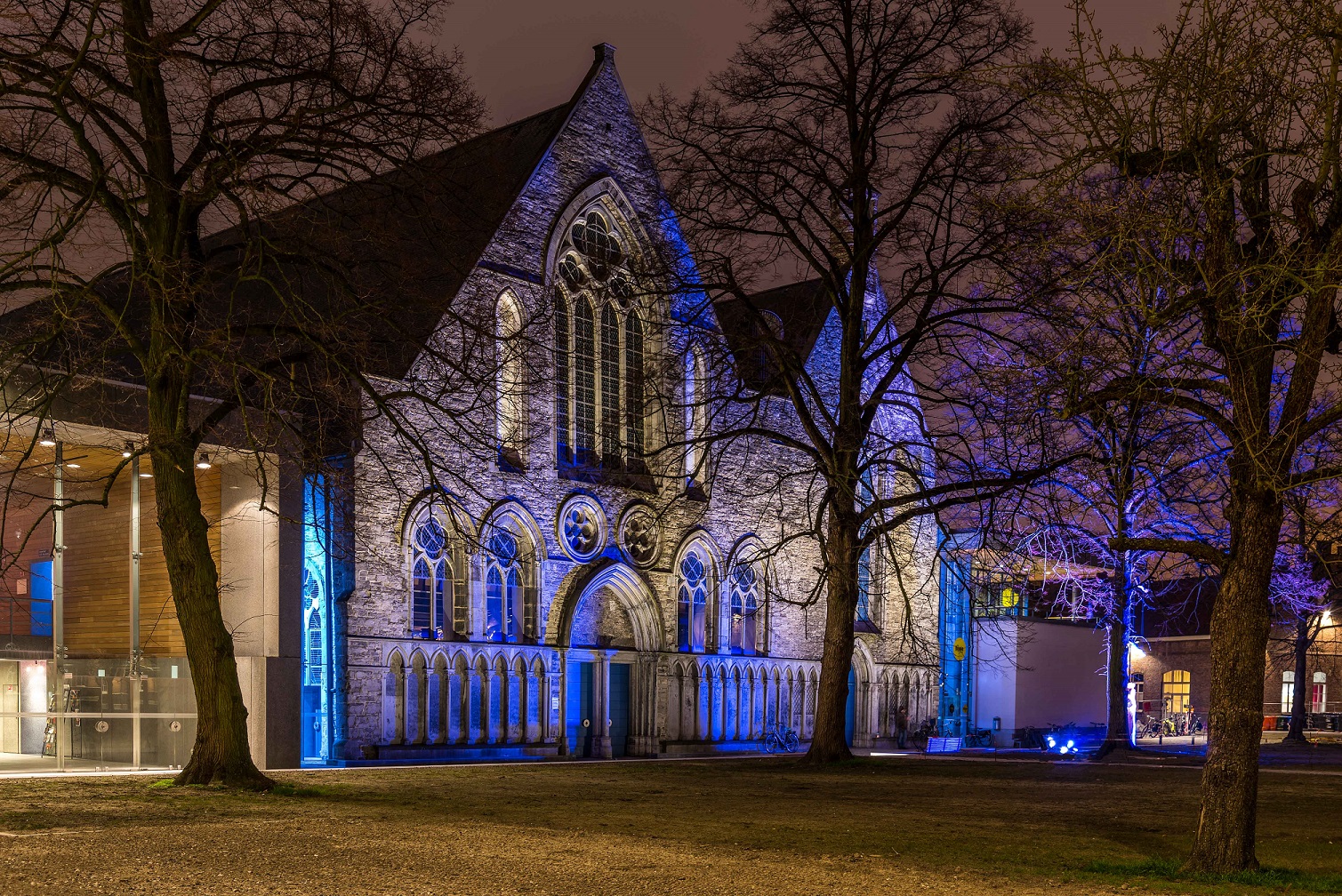 De Bijloke is thoroughly restored and modernized with great respect for the monument. A modern grandstand is integrated into the concert hall as a gigantic piece of furniture. The medieval and 19th-century wings are linked together with several modern foyers, catering spaces, and artist lounges.
The renovations are completed with three new halls: the Kraakhuis, the Library, and the Auditorium. Each offers, thanks to its own character, space for a multitude of music genres. Music Centre De Bijloke is a reality. In 2011, the Kraakhuis undergoes a few significant acoustic adjustments, and retractable grandstands are installed. This makes the hall a dream location for intimate and acoustic concerts.
2019: A state-of-the-art concert hall
The concert hall is thoroughly renovated for the second time, with the old grandstand making way for a completely new structure. Music Centre De Bijloke becomes a unique concert hall that meets the highest standards in terms of comfort, acoustics, and sightlines. The accompanying foyers are given a new look with a completely new interior.